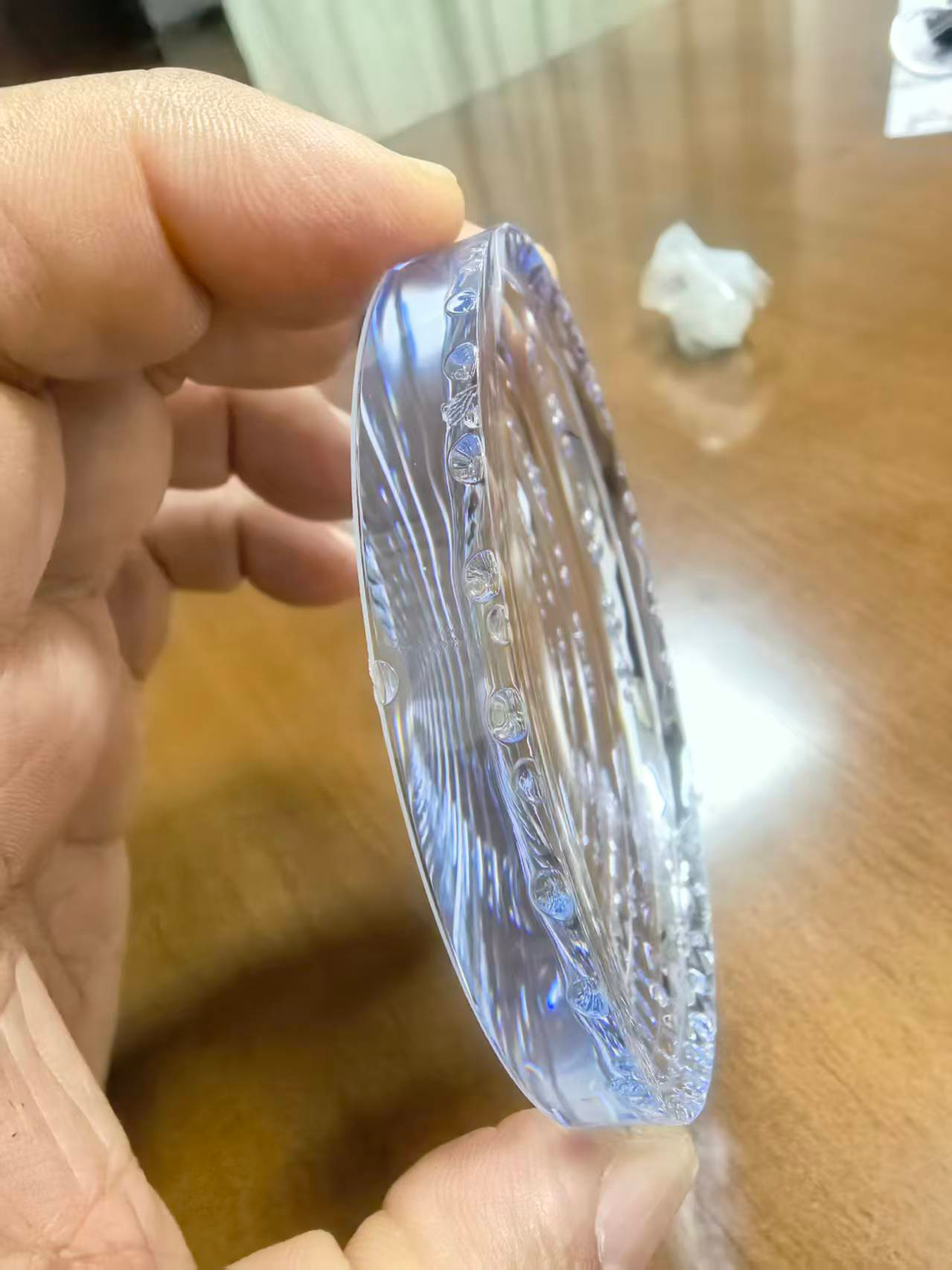
Company Holds Special Seminar on Defect Mechanism, Raw Material Investigation and University-Enterprise Joint R&D Cooperation for Lens Casting Adhesive Tape
To effectively resolve finished product defects of special adhesive tapes for spectacle lens casting, optimize the whole-process quality control system, and empower product technological upgrading through industry-university cooperation, our company recently held a special seminar focusing on three core themes: mechanism analysis of defective lens casting adhesive tape products, data investigation of upstream and downstream raw materials, and negotiation on university-enterprise joint R&D cooperation solutions. Department heads and technical backbones from the company’s R&D, production quality control and supply chain management departments attended the meeting. Invited expert teams from universities specializing in material engineering also participated in in-depth discussions and cooperation negotiations.
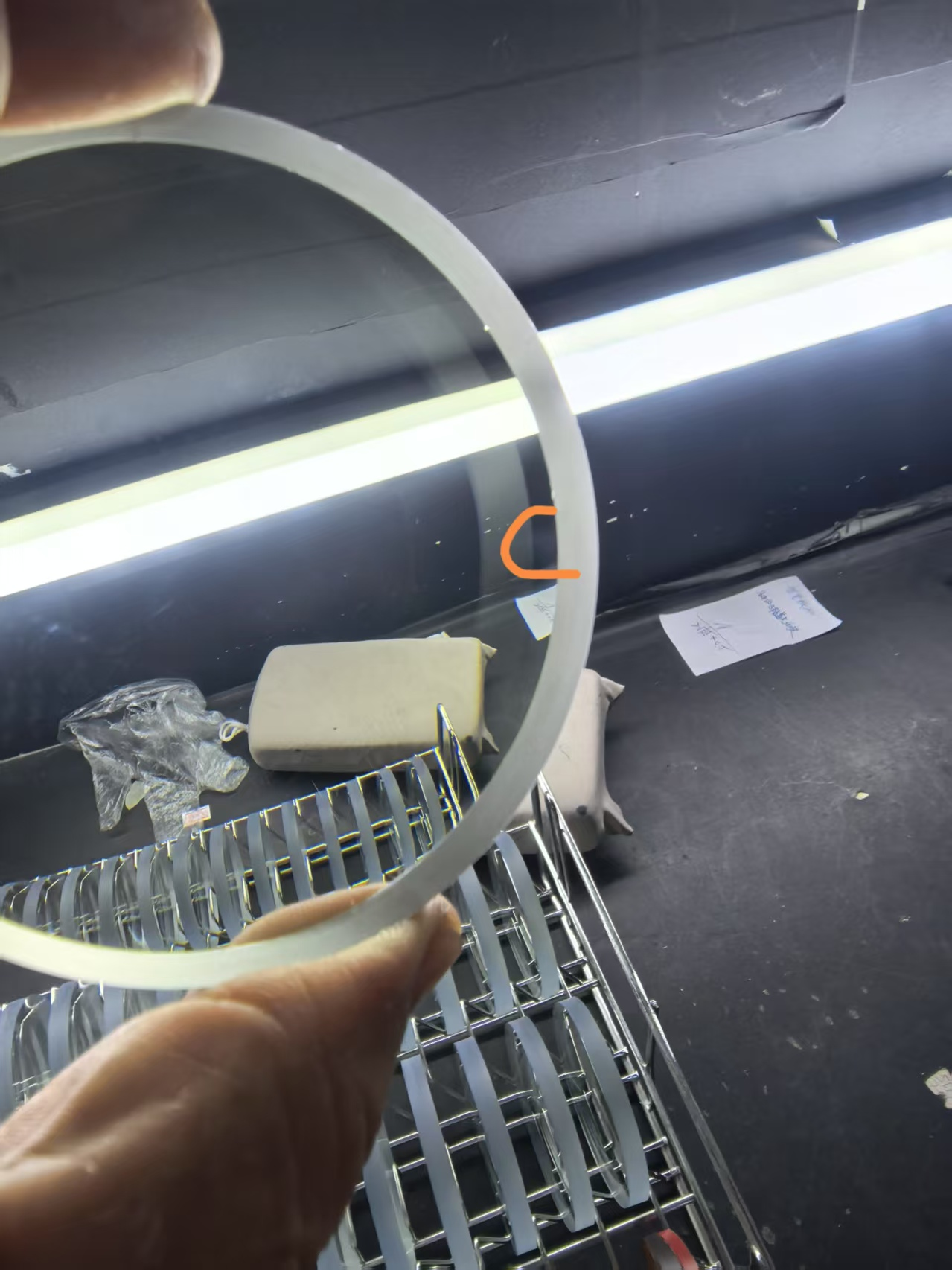
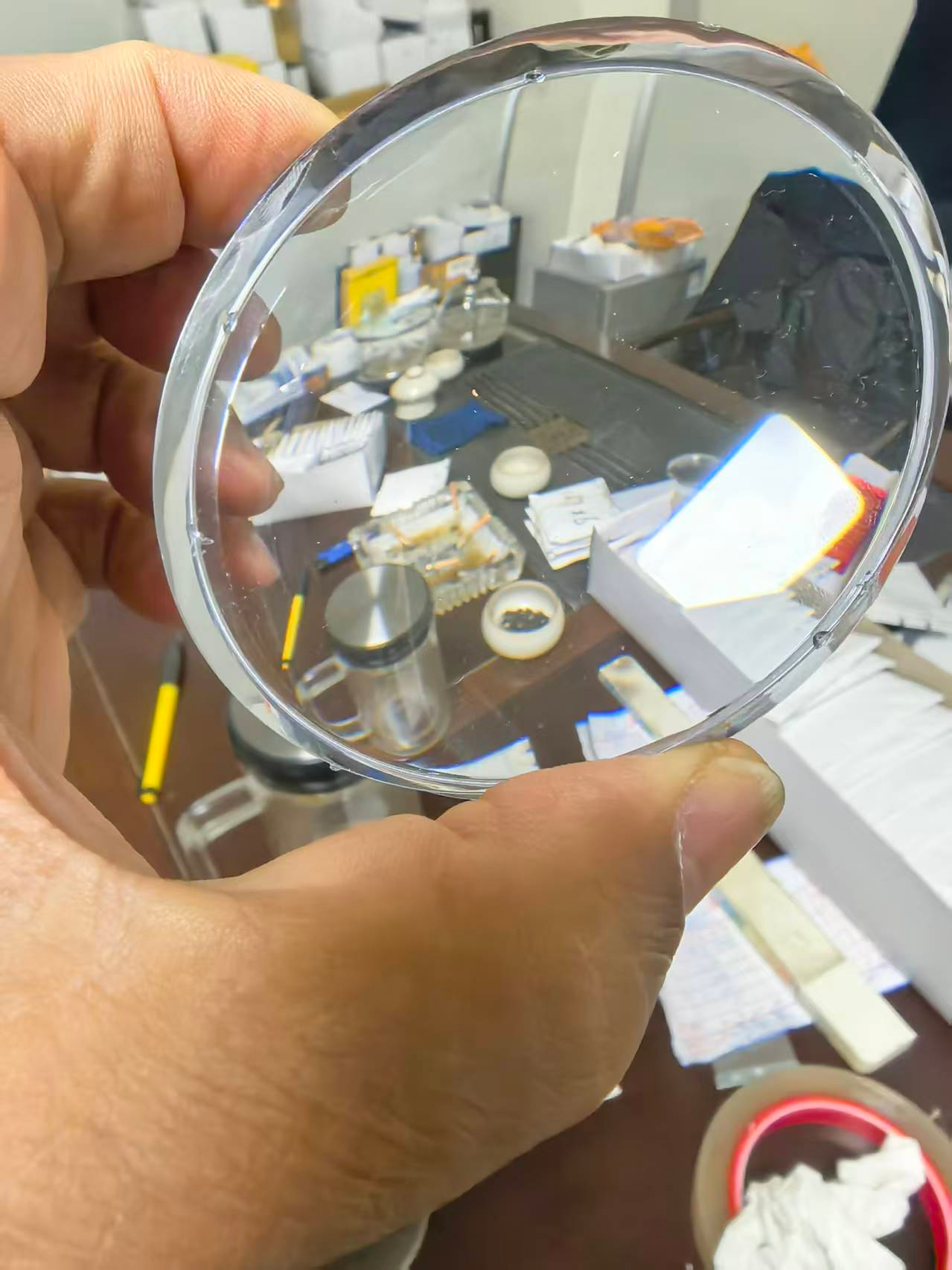
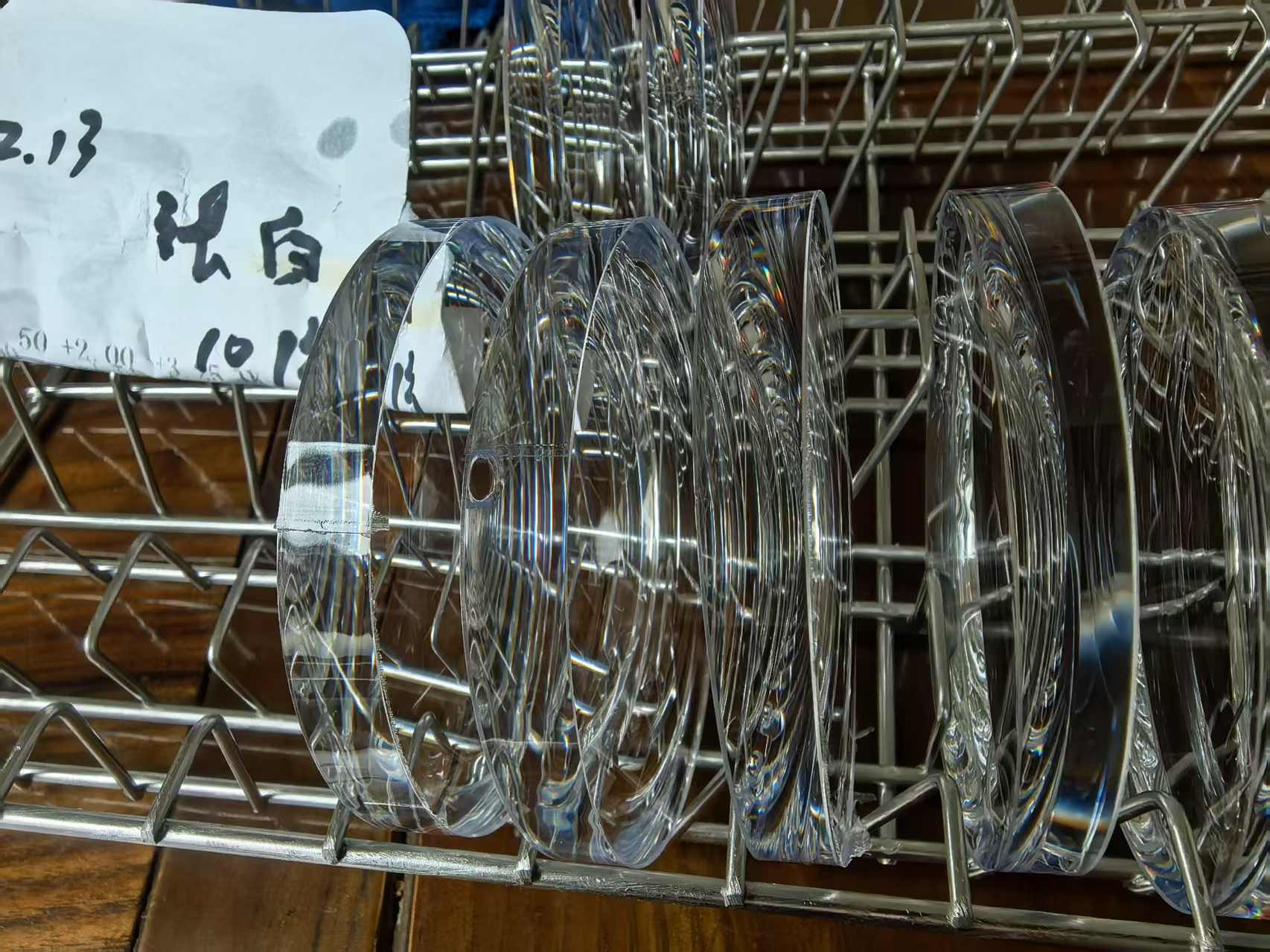
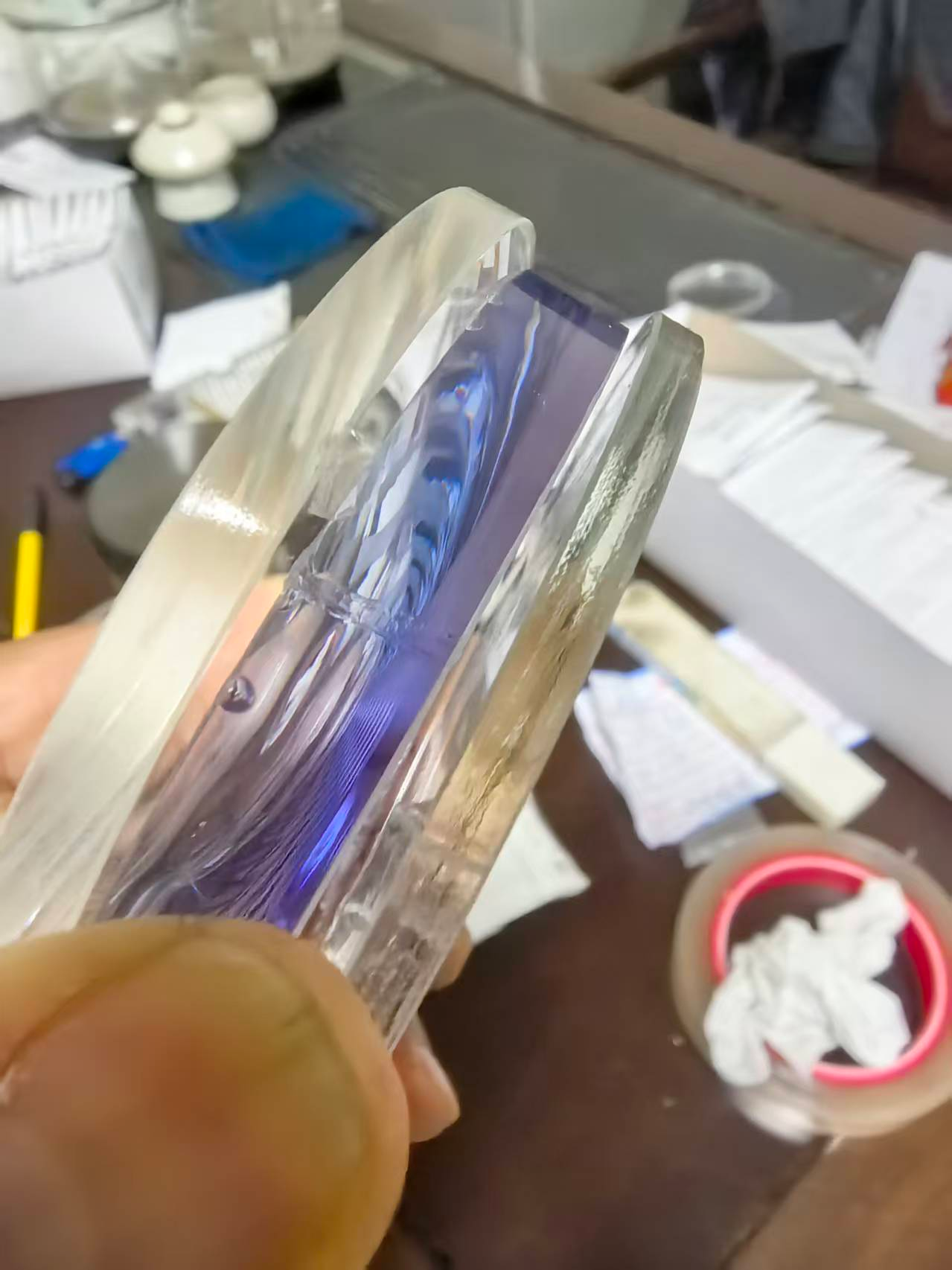
The quality control department sorted out the defect types, frequency, production working conditions and batch differences of defective products in recent periods, and reviewed key links of the entire production process. Combined with the production technology of adhesive tapes, adaptation standards of lens casting and environmental influencing factors, the technical team analyzed the root causes of product defects from multiple dimensions such as colloid formula, coating technology, curing parameters and operating conditions. Potential risks in production, processing and application links were fully investigated. Key influencing factors including fluctuating process parameters, insufficient material adaptability and inadequate refined environmental control were identified, and targeted optimization directions were formulated to support precise rectification and closed-loop quality management.
In terms of data investigation of upstream and downstream raw materials, the meeting clarified the detailed implementation plan for refined and all-round data verification. The quality of lens casting adhesive tapes is highly dependent on the performance, parameter matching and batch stability of upstream and downstream raw materials. To eliminate finished product defects caused by raw material differences from the source, the company launched a comprehensive data investigation covering core upstream raw materials including base materials, adhesives and additives, focusing on their performance indicators, quality inspection data and batch fluctuation conditions.
Meanwhile, the team sorted out the adaptation parameters, process requirements and user feedback data of downstream lens casting production. A complete raw material data ledger will be established for data summary, comparative analysis and abnormal screening, so as to accurately identify weak links in raw material adaptation and production processes. The company will further optimize raw material procurement standards and incoming inspection specifications, improve the whole-industry-chain quality control system, and fundamentally prevent the recurrence of product quality defects.
With professional advantages in material engineering, university experts put forward scientific and targeted guidance for product defect rectification and raw material optimization. Both parties reached preliminary cooperation intentions. Relying on the university’s scientific research resources, technical advantages and theoretical support, as well as the enterprise’s production practice, market resources and industrialization capabilities, the two sides will build an integrated industry-university R&D platform. The platform will focus on key research topics such as quality improvement, process innovation and new product development of special adhesive tapes for lens casting, to solve key industrial technical problems, enhance product quality and core competitiveness, and boost high-quality and refined development of the enterprise.