Discover the future of high temperature tape and polyimide tape
trends 2026. Learn how LVMEI’s innovations in miniaturization and sustainability
shape electronics manufacturing.
As electronics shrink, get hotter, and face stricter environmental regulations, the
humble high-temperature tape is undergoing its most significant evolution in
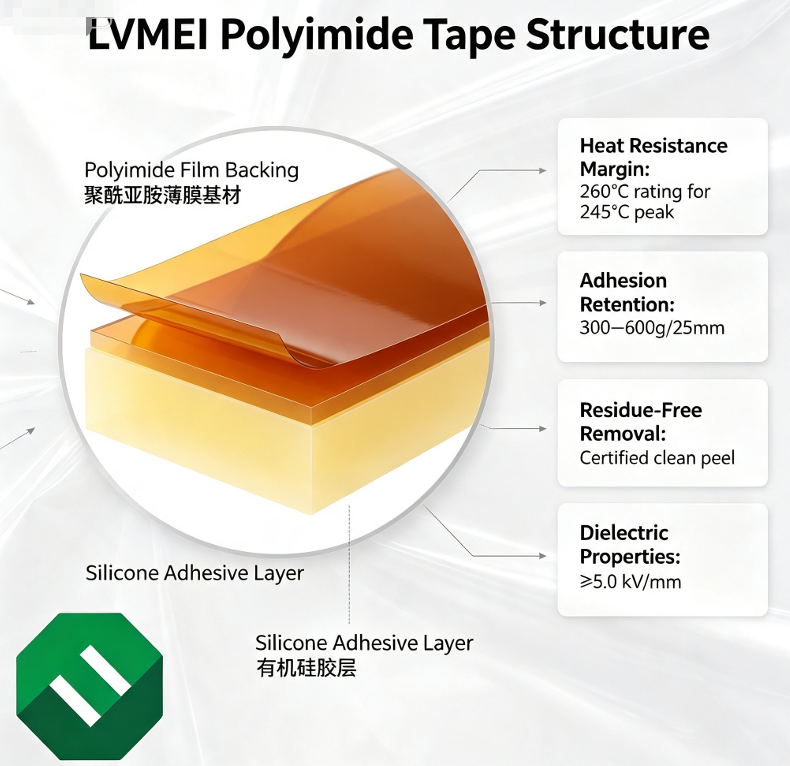
decades. No longer just a passive masking or insulating material, polyimide (Kapton)
tape has become a critical enabler of next-generation electronics manufacturing.
From advanced semiconductor packaging to sustainable production lines, the
materials used in fabrication must keep pace with relentless innovation. For B2B
buyers, engineers, and procurement managers, understanding the future of high
temperature tape is no longer optional—it is a strategic imperative. This article
explores the five defining trends shaping polyimide tape innovation in 2026 and
beyond, and how forward-thinking manufacturers like Hunan Lvzhimei New
Material Technology Co., Ltd (LVMEI) are adapting to meet tomorrow’s demands.
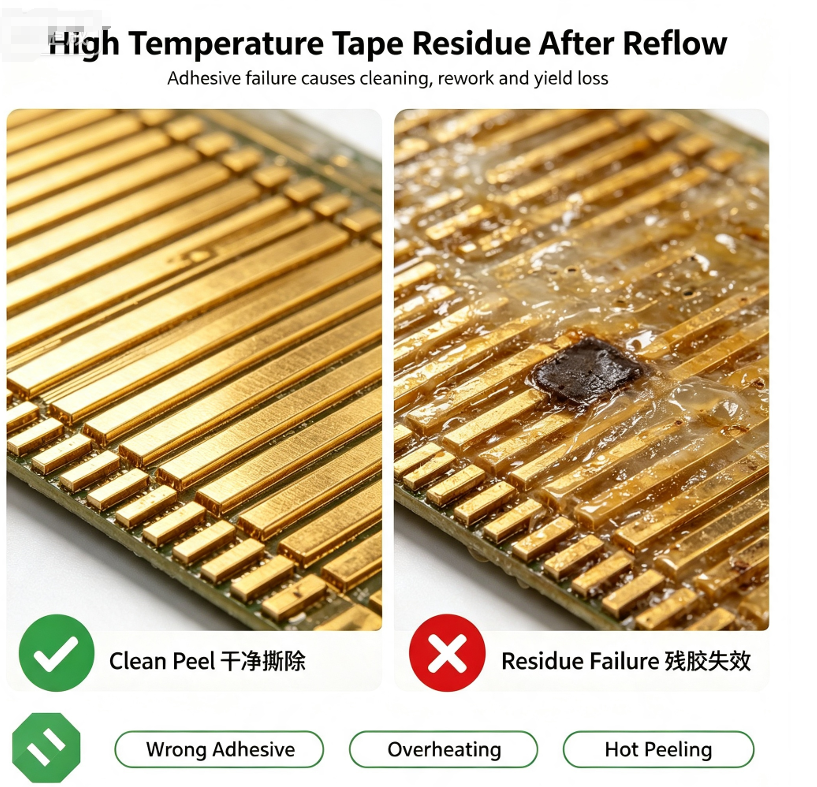
Discover why Kapton tape residue after heating ruins PCBs and
SMT processes. Learn the science of residue, 5 root causes, and how to specify heat
resistant tape no residue for your production.
Your production line just finished a reflow cycle. When operators remove the tape,
there’s a sticky, discolored mess left behind. That single incident costs you cleanup
time, potential rework, and worst of all—customer trust. In high-precision
electronics manufacturing, high temperature tape residue is not just a nuisance; it is
a critical quality failure. Whether you are masking PCB gold fingers, protecting
components during SMT, or insulating transformer windings, the adhesive must
perform flawlessly under extreme thermal stress. If you are dealing with polyimide
tape residue problems, you are likely losing money on solvent cleaning, rework, and
scrapped boards. This guide breaks down the exact science of why tapes fail and
provides actionable steps to ensure your next batch of high-temperature tape leaves
zero residue.
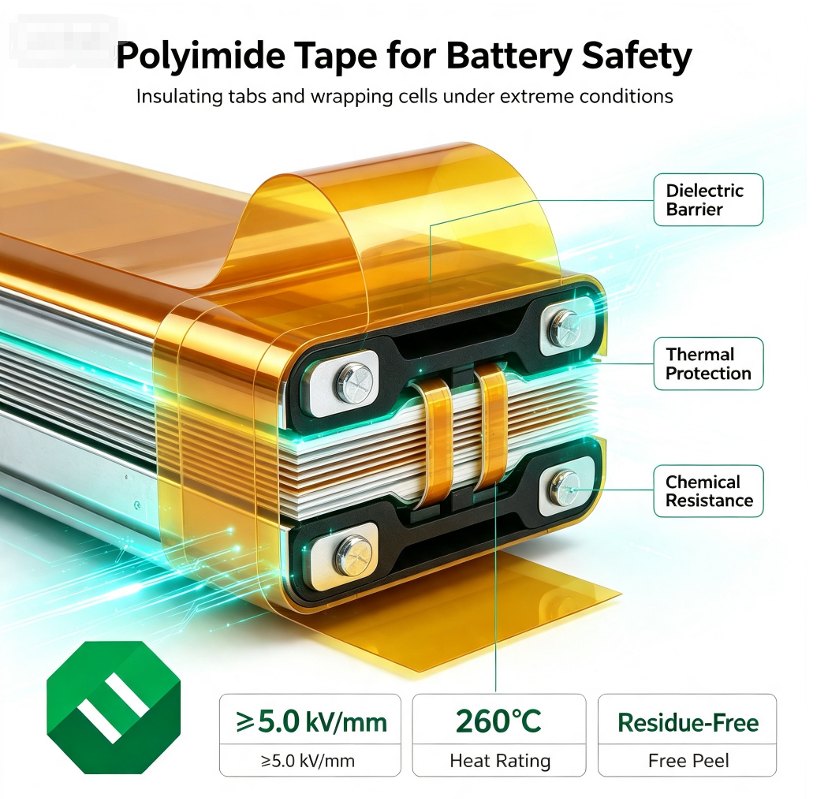
Explore polyimide tape for lithium battery manufacturing. Learn safety standards, critical specs, and how to select the right Kapton tape for battery production.
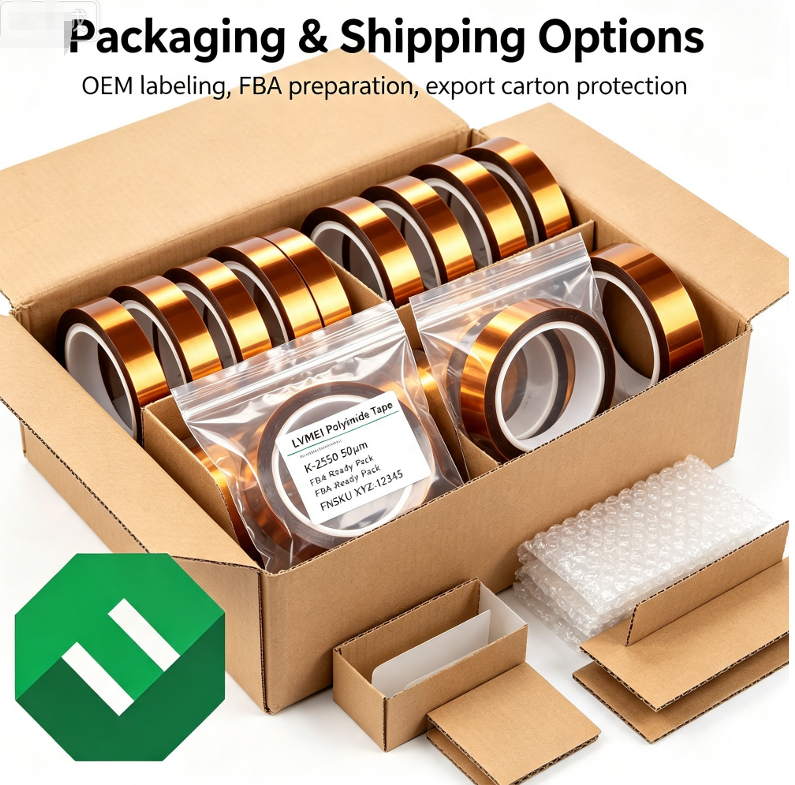
Need custom high temperature tape? Learn the OEM/ODM
process, MOQs, and key specs for custom Kapton tape. Discover why LVMEI is a top
B2B supplier for tailored solutions.
Off-the-shelf tape worked fine—until it didn’t. That’s when 73% of electronics
manufacturers start looking for custom solutions. Standard tape widths leave gaps,
standard adhesion tears delicate components, and standard packaging slows down
automated assembly lines. If your production process requires a unique solution,
custom high temperature tape is not a luxury; it is a necessity for efficiency and
quality. Here is what you need to know before ordering custom polyimide tape to
ensure a smooth, cost-effective transition from standard to bespoke.