
What is High-Temperature Tape? A Complete Buyer’s Guide to Types, Applications & Selection (2026)
SMT, and industrial applications. Compare Kapton, PTFE, and PET tapes with this
comprehensive buyer’s guide.
Your PCB batch just failed quality inspection because the masking tape left adhesive
residue after reflow soldering. The cleanup process delayed shipment by two weeks,
and the customer is demanding a discount. This scenario is a nightmare for any
electronics manufacturing engineer or procurement manager. High-temperature
tapes are not just sticky strips; they are critical components in your manufacturing
process. Choosing the wrong one can lead to catastrophic failures, while the right
one ensures seamless production.
In this comprehensive guide, we will demystify high-temperature tapes, exploring
their working principles, types, and selection criteria to help you make informed
purchasing decisions.
What is High-Temperature Tape?
High-temperature tape is a specialized pressure-sensitive tape designed to withstand extreme heat, harsh chemicals, and demanding industrial environments without melting, degrading, or leaving adhesive residue. Unlike standard masking tapes that fail above 100°C, high-temperature tapes utilize advanced backing films and silicone or acrylic adhesives.
How It Works: The performance relies on two main components:
1. The Backing Film: Typically Polyimide (Kapton), PTFE (Teflon), or PET. These polymers have high thermal stability and excellent dielectric properties.
2. The Adhesive: Usually silicone-based for extreme heat resistance or modified acrylics for clean removal. The adhesive is formulated to maintain tack at high temperatures without bleeding or carbonizing.

Types of High-Temperature Tape: A Detailed Comparison
Not all heat-resistant tapes are created equal. Here is a breakdown of the most common types used in electronics and industrial manufacturing.
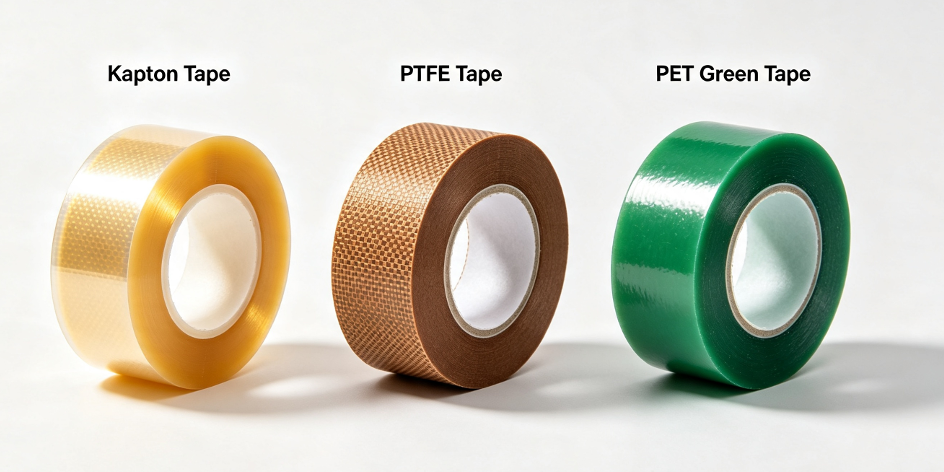
Polyimide (Kapton) Tape The industry standard for electronics. It features an amber-colored polyimide film with a silicone adhesive.
Best For: PCB gold finger masking, SMT reflow soldering, coil winding, and transformer insulation.
Key Traits: Excellent dielectric strength, high tensile strength, and clean removal up to 260°C.
PTFE (Teflon) Tape Made from Polytetrafluoroethylene, known for its non-stick properties.
Best For: Heat sealing, packaging, and applications requiring chemical resistance and low friction.
PET Green Tape A polyester-backed tape with a silicone adhesive, typically colored green for easy visual identification.
Best For: Powder coating masking, automotive painting, and general high-temp holding.
Key Traits: Cost-effective, tear-resistant, and reliable up to 200°C. Glass Cloth Tape Woven fiberglass cloth impregnated with silicone or acrylic.
Best For: Heavy-duty bundling, motor coil wrapping, and abrasive environments.
Key Traits: High mechanical strength, puncture resistance, and conformability.
Key Performance Parameters to Evaluate When sourcing high-temperature tape, do not just look at the price per roll. Evaluate these critical parameters:
Parameter | Why It Matters | Typical Range for Kapton |
Heat Resistance | Determines max operating temp without failure. | 260°C (500°F) |
Adhesion Level | Must hold during processing but remove cleanly. | 100g - 800g/25mm |
Dielectric Strength | Crucial for electrical insulation safety. | >5 kV |
Thickness | Affects conformability and edge definition. | 40μm - 100μm |
Chemical Resistance | Prevents degradation from fluxes or solvents. | Excellent |
How to Choose the Right Type:
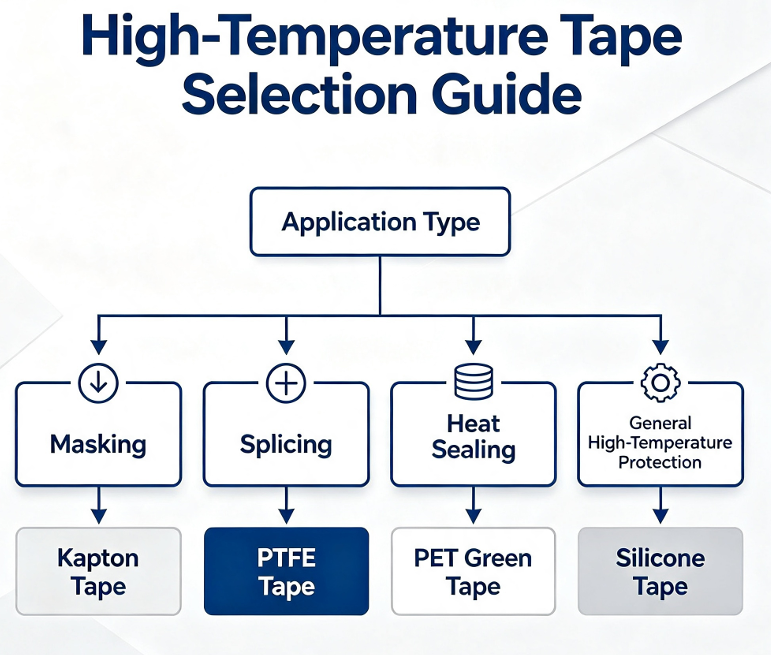
A Decision Framework Selecting the correct tape requires matching the material to your specific process conditions.
1. Define the Temperature Profile: What is the peak temperature and dwell time? For reflow soldering (peak ~260°C), Polyimide is mandatory. For powder coating (~200°C), PET Green is sufficient and more economical.
2. Assess Chemical Exposure: Will the tape contact aggressive fluxes or solvents? PTFE offers the highest chemical inertness.
3. Determine Adhesion Needs: For delicate gold fingers, lower adhesion (100g-300g/25mm) prevents pad lifting. For heavy coil winding, higher adhesion (500g+/25mm) ensures no shifting.
4. Consider Removal Requirements: Does the application require residue-free removal? Silicone adhesives are generally superior for clean release compared to rubber-based alternatives.
Common Mistakes Buyers Make
• Over-specifying: Using expensive Kapton tape for a 150°C application where PET tape would suffice. This wastes budget unnecessarily.
• Ignoring Adhesion: Focusing only on heat resistance while neglecting adhesion levels, leading to tape lifting during processing or residue upon removal.
• Poor Storage: Storing tapes in hot or humid environments, which degrades the adhesive before use. Always store in a cool, dry place.
• Skipping Validation: Ordering bulk quantities without testing samples under actual production conditions.
Why Material Quality Matters:
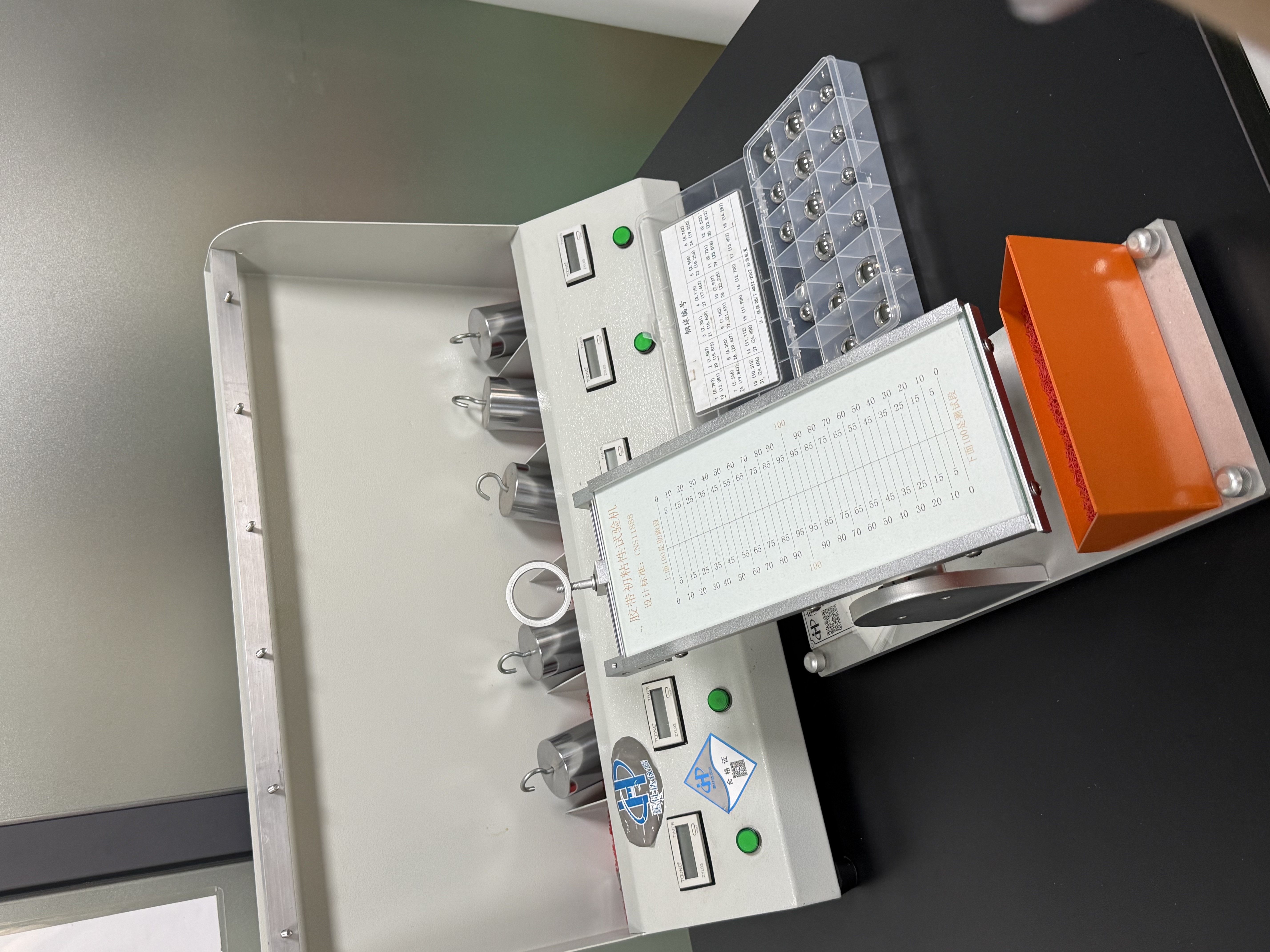
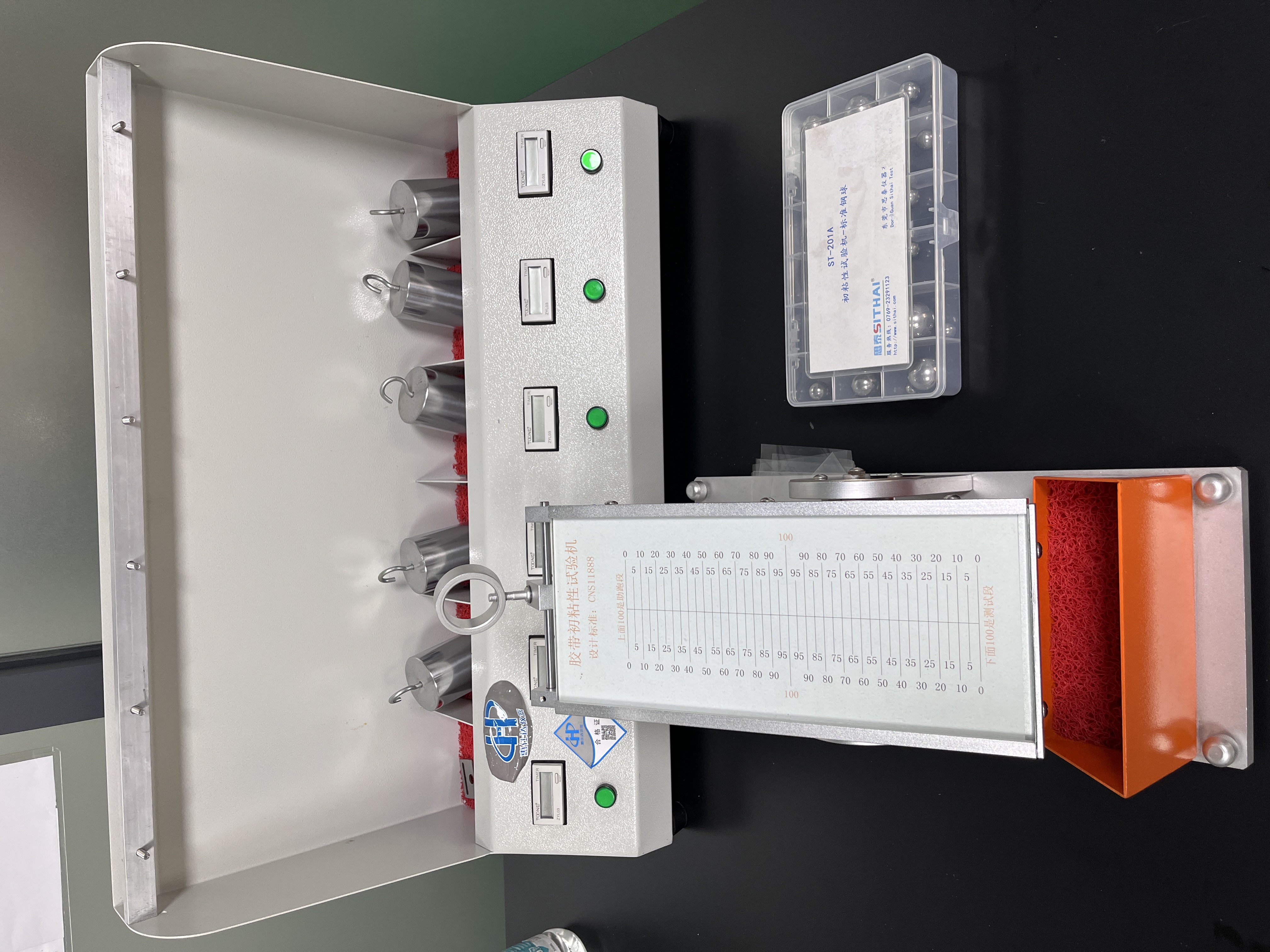
The LVMEI Advantage In the high-temperature tape market, consistency is king. A slight variation in adhesive formulation can lead to batch-to-batch failures.
Hunan Lvzhimei New Material Technology Co., Ltd (LVMEI) understands this critical need. Founded in 2014, we integrate R&D, production, and sales under one roof.
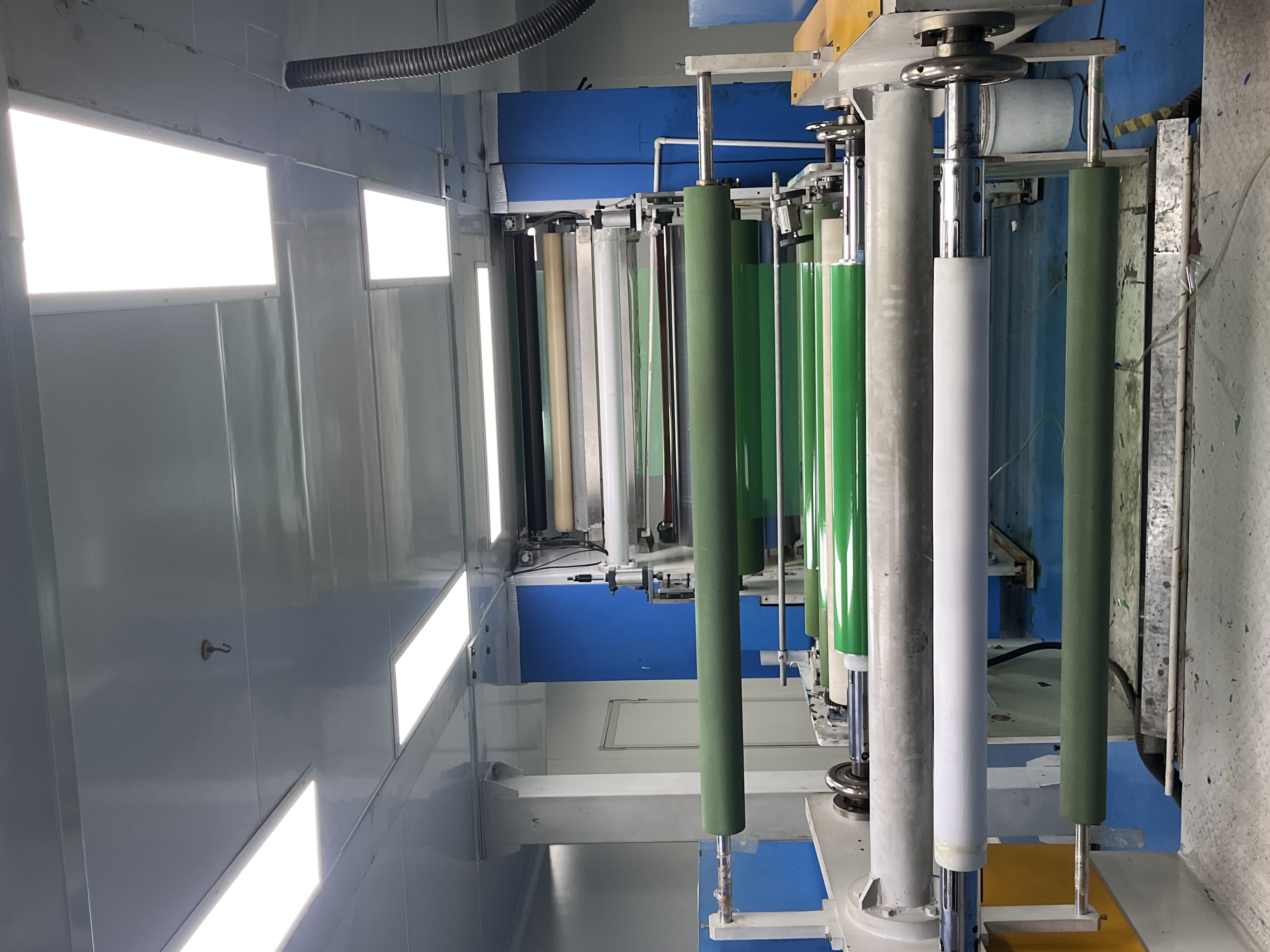
• In-House Coating Lines: We control the entire coating process, ensuring uniform adhesive thickness and consistent performance.
• ISO9001 Certified: Our quality management system guarantees that every roll meets strict specifications.
• Production Capacity: With 15,000kg/month capacity, we ensure reliable supply chains for our partners.
• Customization: We offer custom slitting, OEM packing, and FBA shipping to meet your exact logistical needs.



FAQ: High-Temperature Tape Selection
Q1: Can I use Kapton tape for powder coating? A: Yes, but it is often overkill. PET Green tape is specifically designed for powder coating up to 200°C and is usually more cost-effective. Use Kapton only if temperatures exceed 200°C or if you need superior dielectric properties.
Q2: Why did my tape leave residue after baking? A: Residue is typically caused by exceeding the tape’s temperature rating, using a tape with incompatible adhesive chemistry, or leaving the tape on too long after cooling. Always verify the tape’s maximum continuous use temperature.
Q3: What is the difference between 25μm and 50μm Kapton film? A: The 25μm film is thinner, more flexible, and better for tight corners or small components. The 50μm film offers higher tensile strength and better puncture resistance, making it ideal for heavy-duty masking or coil wrapping.
Q4: How long can I store high-temperature tape? A: Most high-quality silicone adhesive tapes have a shelf life of 6-12 months when stored at room temperature (20-25°C) and 50% relative humidity, away from direct sunlight.
Q5: Do you offer custom sizes? A: Yes. LVMEI provides precision cutting for custom widths and lengths, as well as OEM packaging and die-cut shapes to fit your specific automation or manual application needs.
Summary & Next Steps Choosing the right high-temperature tape is a balance of thermal performance, adhesion characteristics, and cost efficiency. Whether you are protecting PCB gold fingers during reflow or masking parts for automotive painting, understanding the material science behind these tapes is the first step toward zero-defect manufacturing. Don’t let tape failures compromise your production line. Trust a manufacturer that controls the coating process from start to finish.
Ready to optimize your high-temperature masking process?
Contact LVMEI today for free samples and a technical consultation. Let our engineers help you select the perfect tape specification for your application.
👉 Visit us at lvmeikapton.com or request a quote now!